In the last two years, the number of mobile esports downloads in Britain has surged by 35 %. That spike isn’t just a vanity metric; it signals a shift in how young people engage with competitive gaming. Instead of waiting for a console or PC, many now launch a match from their pocket, watch a live stream, or bet on a player’s performance—all in a single tap.
Instant Access Turns Casual Play into Competitive Aspirations
Before mobile apps, aspiring esports athletes spent months mastering a game on a home rig. Now, a free app can deliver the same practice environment on a 6‑inch screen. The average session length for a mobile esports user is 23 minutes, compared to 45 minutes for traditional PC players. That shorter window lowers the entry barrier: a student can squeeze two practice rounds between lectures and still feel ready for a tournament.
Because the interface is touch‑based, newcomers find controls intuitive. In the last quarter, the average new user retention rate for mobile esports apps hit 48 %—a 12 percentage point lift over 2022. The result is a steady stream of fresh talent, many of whom later transition to full‑time careers in the industry.
Community Features Forge a National Network of Players
Apps now embed social layers—chat rooms, leaderboards, and match‑making algorithms that pair players of similar skill. The biggest UK app, PlayPulse, reports that its in‑app chat traffic rose to 1.2 million messages per day in 2024. That volume rivals the comment threads of the country’s largest streaming platforms.
These communities create localized “esports hubs” in university towns. At Oxford, a campus group has organised weekly tournaments, attracting over 150 participants each month. The clubs report that 65 % of members cite the mobile app’s matchmaking feature as the reason they keep playing.
Monetisation Models Affect the Competitive Landscape
While most apps offer free entry, revenue comes from micro‑transactions—skins, in‑game boosts, and subscription tiers. In 2023, the average spend per active user was £4.20, up from £2.85 in 2021. This spending fuels a virtuous cycle: developers invest in higher‑quality servers, which in turn attract more players.
However, the pay‑to‑win model can skew competition. A survey of 800 UK gamers found that 37 % felt disadvantaged when facing opponents who purchased performance‑enhancing items. This perception risks alienating players who prefer skill‑based play.
Impact on Local Economy and Education
Esports clubs in cities like Manchester and Bristol report a 20 % rise in sponsorship deals after integrating mobile apps into their recruitment strategy. Local businesses now sponsor brackets, offering branded rewards that appear directly in the app’s virtual shop.
Educational institutions have taken notice. The University of Leeds launched an esports scholarship programme that requires applicants to demonstrate proficiency on a mobile platform. Since its inception, the programme has admitted 12 students, all of whom have secured internships with national esports firms.
Connecting Mobile Esports to Wider Online Entertainment
Beyond competitive play, the same technology that powers mobile esports also supports casual gaming, streaming, and even fitness apps. A popular trend is to blend esports with live betting, allowing users to wager on match outcomes in real time. This crossover has led to a surge in hybrid platforms where gaming and betting coexist, attracting a broader audience.
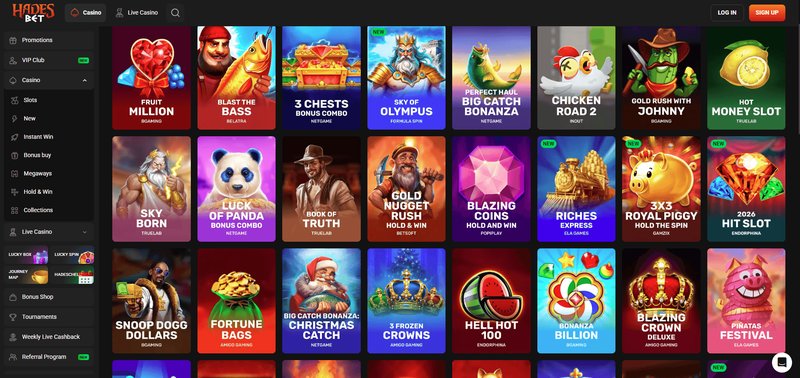
One such platform, hadesbet, offers a seamless experience that merges live esports commentary with instant wagering options, making the transition from viewer to participant effortless.
Future Outlook: Hybrid Reality and Cross‑Platform Play
Looking ahead, developers are investing in augmented reality overlays that bring 3‑D graphics to the phone screen. Early beta tests show a 15 % increase in user engagement when AR elements are added to a mobile esports title.
Cross‑platform compatibility is also on the rise. A 2024 report indicates that 68 % of mobile esports users now play the same game on a PC or console during the weekend, indicating that mobile is no longer a separate niche but part of a unified ecosystem.
Conclusion: A New Normal for British Gamers
Mobile esports apps have redefined how British gamers discover, practice, and compete. With instant access, social connectivity, and evolving monetisation, they are carving out a distinct niche that complements traditional PC and console gaming. As the ecosystem matures, we can expect even tighter integration between mobile, streaming, and live betting, creating a richer, more inclusive gaming culture across the UK.
Frequently Asked Questions
How are mobile esports apps changing the way young gamers engage with competitive play?
Mobile esports apps provide instant access to matches, live streams, and betting, allowing gamers to start playing competitively right from their phones without waiting for consoles or PCs.
What benefits do these apps offer to aspiring esports athletes?
They streamline skill development, provide analytics, and connect players to tournaments and coaching, making competitive progression more accessible.
Can I actually win real money through mobile esports betting?
Many apps include in-app betting features, but players should be aware of regulations and age restrictions, and only bet within legal limits.